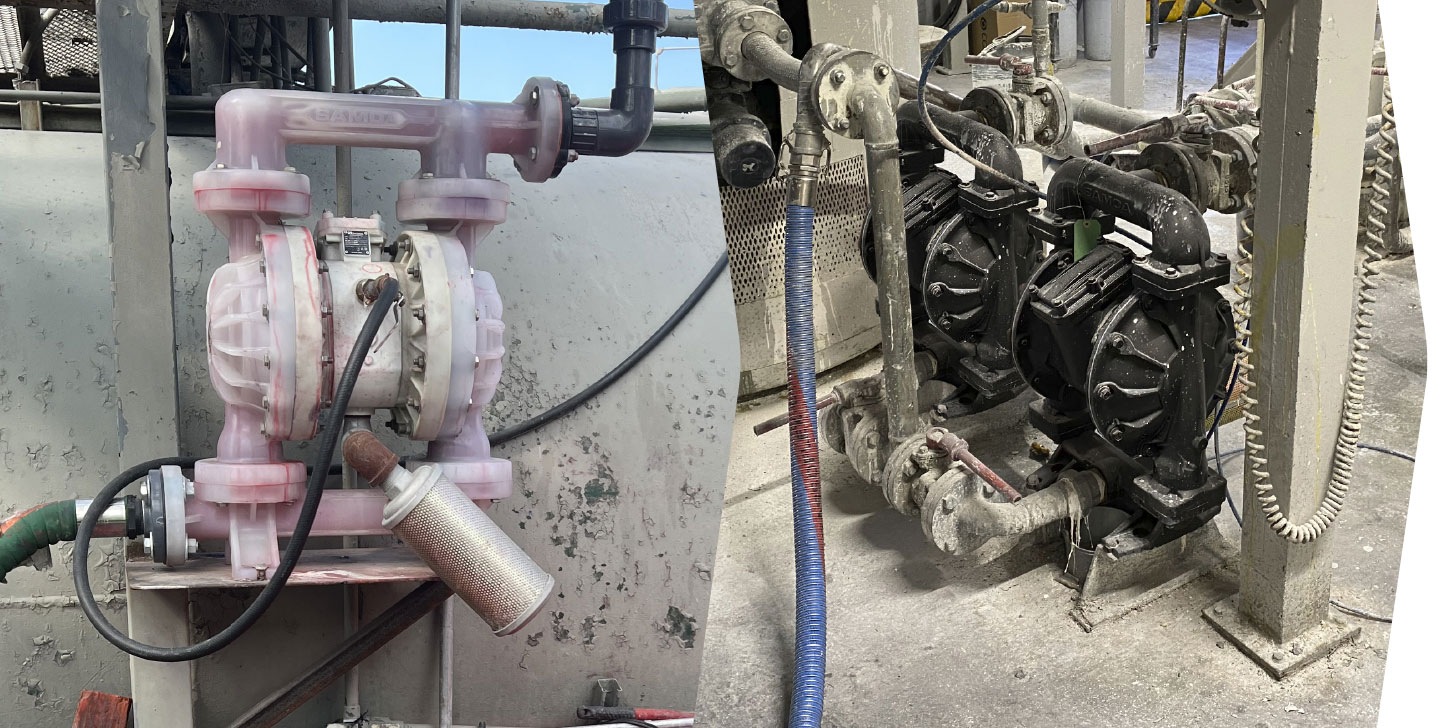
What Is an Oil and Gas Pump and Why Is It Critical to Operations?
An oil and gas pump is a specialized piece of equipment designed to move hydrocarbons—such as crude oil, refined fuels, and petrochemical fluids—across the entire value chain. From upstream extraction to downstream distribution, these systems are essential for maintaining safe, efficient, and continuous pperations.
A petroleum transfer pump plays a critical role in ensuring that fluids are transported reliably between processes, storage systems, and transportation infrastructure.
Core Functions of Petroleum Transfer Pumps
Across the industry, oil and gas pumps are responsible for:
- Crude oil transfer from wellheads to gathering systems
- Fluid movement through pipelines in midstream operations
- Loading and unloading at tank farms and terminals
- Supporting refining, blending, and final distribution
Without properly selected pumps, operators risk inefficiencies, safety incidents, and costly downtime.
Key Pump Technologies Used Across the Oil and Gas Value Chain
Different applications require different pump technologies:
- Centrifugal pumps for high-flow, low-viscosity fluids
- Gear and vane pumps for controlled, consistent flow
- Diaphragm pump oil and gas solutions for versatility and safety
- Piston pumps for high-pressure petroleum transfer
Selecting the correct technology is essential to ensure long-term performance and reliability.
Upstream Pumps: Extraction and Production Applications
Upstream operations involve extracting crude oil under challenging and often unpredictable conditions. An upstream pump must be capable of handling harsh environments and variable fluid properties.
Crude Oil Transfer from Wellheads and Gathering Systems
In upstream environments, pumps are used for crude oil transfer from wellheads to storage tanks or pipeline systems. These operations often occur in remote locations where reliability is critical.
A common real-world scenario includes drum-to-drum transfer of crude oil at remote wellsites, where portability and self-priming capability are key requirements.
Selecting an Upstream Pump That Withstands Harsh Field Conditions
When choosing an upstream pump, consider:
- Resistance to abrasive particles such as sand
- Ability to handle gas entrainment
- Performance with high-viscosity crude
- Durability under extreme temperatures
An improperly selected pump in these environments can lead to frequent failures and increased maintenance costs.
Chemical Injection and Auxiliary Pumping Needs
Upstream processes also rely on pumps for chemical injection, including:
- Corrosion inhibitors
- Demulsifiers
- Flow assurance chemicals
These applications require precision and chemical compatibility, often supported by industrial fluid transfer pumps designed for dosing and auxiliary tasks.

Midstream Oil Pumps: Pipeline, Storage, and Tank Farm Solutions
Midstream operations focus on transporting and storing hydrocarbons. A midstream oil pump must deliver consistent performance across long distances and variable operating conditions.
Oil Transfer Pumps for Tank Farms: Loading, Unloading, and Recirculation
An oil transfer pump for tank farms is used in several critical operations:
- Loading and unloading trucks, railcars, and ships
- Tank-to-tank transfer
- Recirculation to maintain product uniformity
In ATEX-rated environments, air-operated diaphragm pumps are frequently used due to their safety advantages.
Pipeline Boosting, Metering, and Blending Applications
Midstream pumps also support:
- Pipeline pressure boosting
- Accurate flow metering
- Blending of crude oil or refined products
These applications require stable and predictable flow characteristics.
Managing Viscosity and Temperature Variations in Midstream Operations
One of the biggest challenges in midstream operations is fluid variability. Pumps must handle:
- High-viscosity crude oils
- Temperature fluctuations
- Changes in density and composition
Choosing the right industrial fluid transfer pump ensures consistent throughput and operational stability.
Downstream Petroleum Pumps: Refining and Distribution
Downstream operations transform crude oil into usable products and deliver them to end users. A downstream petroleum pump must meet strict performance and safety requirements.
Refined Product Transfer Inside Refineries and Petrochemical Plants
Pumps are used extensively to transfer:
- Gasoline, diesel, and jet fuel
- Lubricants and additives
- Petrochemical intermediates
Precision and chemical compatibility are critical at this stage.
Terminal Loading, Drum Filling, and Last-Mile Distribution
In distribution terminals, pumps support:
- Bulk loading systems
- Drum and IBC filling
- Final product transfer to customers
These operations demand accuracy, efficiency, and ease of operation.
Handling Fuels, Lubricants, and Specialty Refined Products
Different fluids require different handling characteristics. Pumps must ensure:
- Clean and contamination-free transfer
- Compatibility with aggressive chemicals
- Compliance with safety and environmental regulations
Diaphragm Pumps in Oil and Gas: Performance and Advantages
A diaphragm pump oil and gas solution is one of the most versatile options across the value chain.
Why Air-Operated Diaphragm Pumps Excel in Petroleum Transfer
Air-operated diaphragm pumps offer several advantages:
- Ability to handle viscous, abrasive, and shear-sensitive fluids
- Dry-run capability without damage
- Self-priming operation
- Portability for field applications
These features make them ideal for both upstream and midstream scenarios.
ATEX and Hazardous-Area Compliance for Diaphragm Pumps
In hazardous environments, safety is critical. Diaphragm pumps can be configured to meet:
- ATEX certification requirements
- Explosion-proof operation standards
This makes them a preferred choice in tank farms and refineries.
Comparing Diaphragm Pumps to Gear, Vane, and Centrifugal Alternatives
Each pump type has its strengths:
- Diaphragm pumps: versatility and safety
- Gear pumps: consistent flow for lubricants
- Centrifugal pumps: high flow rates
- Piston pumps: high-pressure applications
Understanding these differences is key to selecting the right solution.

How to Select the Right Industrial Fluid Transfer Pump for Your Application
Choosing the correct oil and gas pump requires a structured approach based on operational needs.
Flow Rate, Viscosity, and Chemical Compatibility Checklist
Start by defining:
- Required flow rate (GPM or m³/h)
- Fluid viscosity and temperature
- Chemical compatibility
- Presence of solids or gases
Material Selection: Aluminum, Stainless Steel, and Engineered Plastics
Material choice directly impacts durability:
- Aluminum: lightweight and cost-effective
- Stainless steel: ideal for corrosive environments
- Engineered plastics: suitable for aggressive chemicals
Safety, Certification, and Regulatory Compliance Considerations
Ensure compliance with relevant standards:
- ATEX for explosive atmospheres
- API standards for oil and gas equipment
- CE or UL certifications depending on region
For expert support, you can contact SAMOA engineering team for pump sizing assistance.
SAMOA Industrial Oil and Gas Pump Solutions
SAMOA provides a full range of industrial solutions tailored to the oil and gas sector, including:
- Air-operated diaphragm pumps for oil and gas
- High-pressure piston pumps for petroleum transfer
- A full range of industrial fluid transfer pumps
Their expertise covers upstream, midstream, and downstream applications, supported by engineering customization and a global service network.
For more information, explore SAMOA oil and gas sector solutions.
Frequently Asked Questions About Oil and Gas Pumps
What type of pump is most common in oil and gas?
Centrifugal pumps are widely used for high-flow applications, while diaphragm pumps are preferred for flexibility and safety.
Can diaphragm pumps handle crude oil?
Yes, diaphragm pumps can handle crude oil, especially in applications involving medium flow rates and variable viscosity.
What is the best pump for tank farm transfers?
The best pump depends on the application, but diaphragm and centrifugal pumps are commonly used in tank farms.
How do I size an oil and gas pump correctly?
Proper sizing requires evaluating flow rate, pressure, fluid properties, and system design.
What certifications should an oil and gas pump have?
Key certifications include ATEX, API, and CE, depending on the operational environment and region.